


Learning
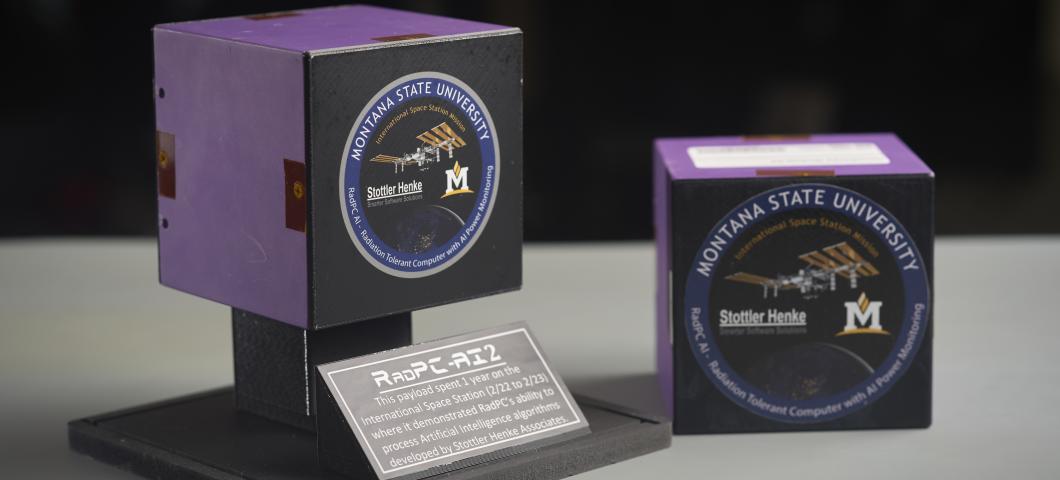
Our academic programs emphasize hands-on experience. We collaborate through the Optical Technology Center, Microfabrication Facility, the Space Science and Engineering Laboratory and the Montana Engineering Education Research Center.
Discovery
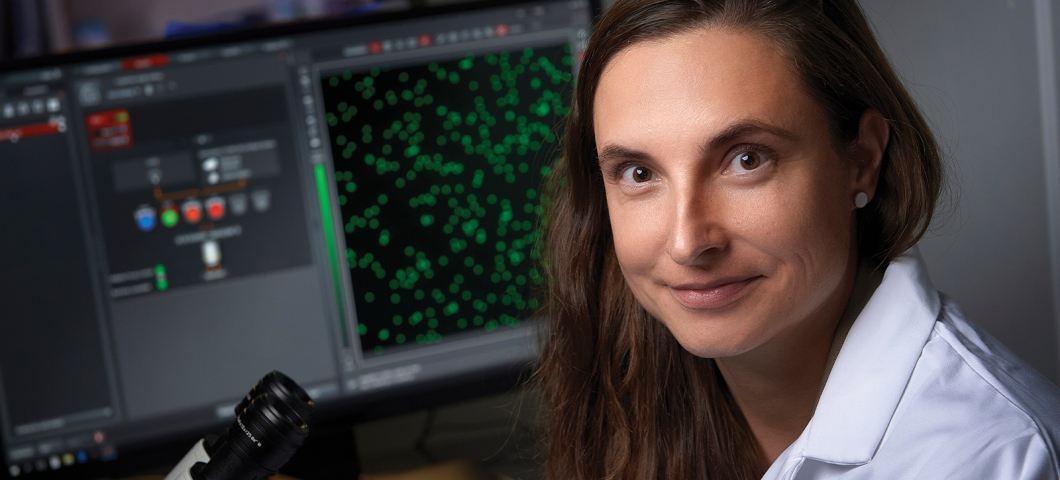
We specialize in research in reconfigurable computing, embedded systems, optics, lasers, MEMS/MOEMS, bioMEMS, acoustics and audio, communications, complex systems, power systems, power electronics and engineering education.
Engagement
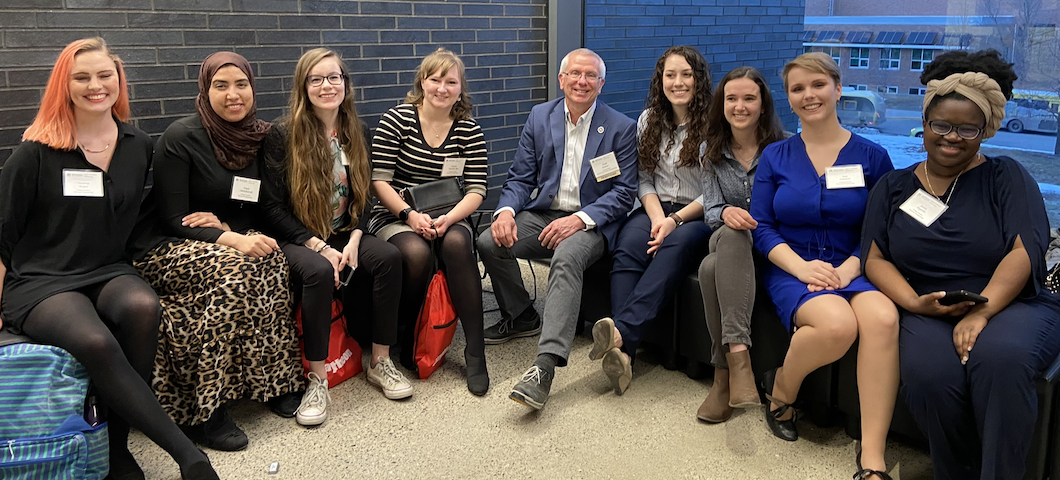
Our students and faculty are active with local, regional, and international activities including FIRST Robotics, Expanding Your Horizons, outreach to K-12 education, engineering competitions, and summer research programs for underrepresented groups in engineering.